Concrete polishing New Braunfels offers durable, aesthetically pleasing outdoor spaces with textured concrete patios. Skilled artisans create unique patterns, from stone textures to wood finishes, using specialized equipment for superior traction and visual appeal. This process enhances property values, minimizes maintenance, and transforms ordinary concrete into art. Key steps include preparation (cleaning, grinding), polishing, pattern/stain choice, curing, sealing, and regular maintenance.
Concrete patios are a staple in outdoor living, yet their aesthetic appeal often lags behind functionality. Traditional finishes can lack variety and durability. Enter concrete polishing New Braunfels as a game-changer. This innovative approach transforms dull surfaces into captivating textures and patterns, enhancing both visual appeal and longevity. By exploring the art of concrete polishing, homeowners and professionals alike can unlock endless design possibilities, from subtle grooves to dramatic swirls. Our guide delves into the techniques, benefits, and creative options, empowering you to transform your concrete patio into a stunning outdoor statement.
- Exploring Textured Concrete Patios: Natural Beauty Unveiled
- The Art of Concrete Polishing: New Braunfels Techniques
- Creating Unique Patterns: Step-by-Step Guide for Your Patio
Exploring Textured Concrete Patios: Natural Beauty Unveiled
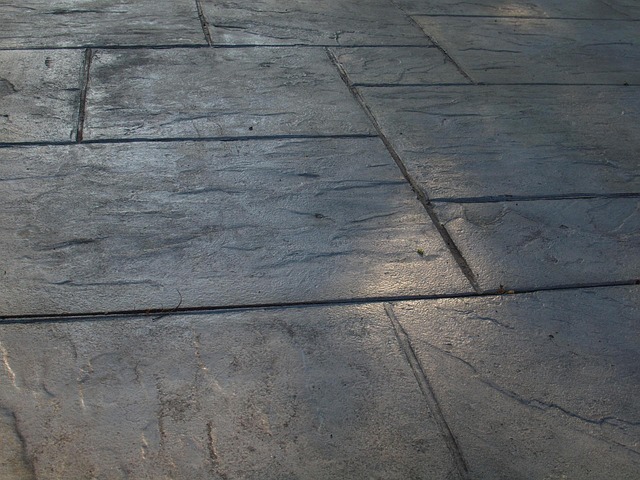
Textured concrete patios offer a unique blend of durability and aesthetic appeal, transforming outdoor spaces into visually captivating and functional areas. This natural beauty is achieved through specialized concrete polishing New Braunfels techniques, which enhance the material’s inherent characteristics. By exploring various surface patterns, homeowners and designers can create textured concretes that mimic natural textures like stone, wood, or even rugged landscapes, adding depth and character to any outdoor environment.
The process involves more than just applying a finish; it requires skilled artisans to use specialized equipment to etch intricate designs into the concrete’s surface. This technique not only improves traction and safety but also creates a visually stunning effect. For instance, a popular choice is the stone-textured pattern, which simulates the look of natural stone with its irregular grooves and patterns. Another innovative approach is the wood-look finish, offering a warm, rustic ambiance that blends seamlessly with surrounding natural elements. These textured surfaces provide an alternative to traditional concrete, allowing for creative expression in patio design.
When considering concrete polishing New Braunfels options, it’s essential to partner with experienced professionals who can guide clients through the vast array of choices available. Each project is unique, and skilled artisans tailor their techniques to meet specific needs. Data shows that patios with textured concrete finishes have higher property values and attract buyers seeking low-maintenance yet visually appealing outdoor spaces. Whether for a residential or commercial setting, exploring the natural beauty of textured concrete patios can significantly enhance the overall appeal and functionality of an exterior living area.
The Art of Concrete Polishing: New Braunfels Techniques

Concrete polishing in New Braunfels has emerged as an art form, transforming ordinary concrete surfaces into stunning, textured patterns that enhance any outdoor space. This technique involves a meticulous process of refining and finishing concrete to create visually appealing designs that are both durable and low-maintenance. The key lies in understanding the unique properties of concrete and employing specialized equipment and skilled labor. By combining precision with creativity, New Braunfels technicians can craft concrete surfaces that not only serve functional purposes but also become focal points of any landscape.
One of the standout aspects of concrete polishing is its versatility. It can be applied to a variety of concrete structures, from patios and walkways to driveways and pool decks. The process begins with thorough cleaning and preparation of the concrete surface, ensuring it’s free from debris and contaminants. Following this, diamond grinding or shot-blasting techniques are employed to slightly roughen the surface, allowing for better adhesion of the polishing compounds. This initial step is crucial as it creates a textured base that enhances the final polished look. New Braunfels technicians often experiment with different grit sizes and techniques to achieve the desired level of texture and finish.
Once the concrete is ready, specialized polishing machines equipped with diamond-impregnated pads are used to buff and polish the surface. The choice of pad type, speed, and pressure determines the final pattern and sheen. Technicians can create a range of effects, from subtle textures that mimic natural stone to bold, geometric patterns that add a modern touch. For instance, a popular choice in New Braunfels is the diamond-polished finish, which offers a high-gloss, mirror-like surface that is both sleek and durable. Regular maintenance, including resealing and re-polishing, ensures the concrete remains protected from stains, moisture, and UV damage, preserving its beauty over time.
Creating Unique Patterns: Step-by-Step Guide for Your Patio
Creating unique patterns on a concrete patio is an art that can transform your outdoor space into a visually stunning masterpiece. With Concrete polishing New Braunfels as a foundation, you can explore various techniques to achieve distinctive designs that cater to personal aesthetics. This step-by-step guide will walk you through the process of enhancing your patio’s texture and visual appeal.
Begin by preparing the concrete surface, ensuring it is clean and free from debris. Next, choose your desired pattern—from geometric shapes to abstract art—and gather the necessary tools for application. Concrete stamping or staining are popular methods. Stamping involves using silicone molds to create raised patterns, while staining adds color and texture without altering the surface profile. For instance, a diagonal crosshatch pattern can add contemporary charm, whereas a pebble-like texture lends a natural, organic feel.
The process requires precision and creativity. First, apply a release agent to the mold or stamp to ensure easy removal. Then, pour concrete onto the prepared surface and carefully position the tool according to your chosen design. Use rollers or trowels to achieve even distribution and desired depth. Allow the concrete to set, and then lift the stamp or mold to reveal the imprinted pattern. Staining techniques involve brushing on colored dyes or sealers, requiring careful control for uniform coverage.
Once the pattern is created, curing and sealing become crucial steps. Proper curing ensures the concrete hardens optimally, enhancing the durability of your new surface. Sealing protects against moisture, stains, and UV damage, maintaining the vibrancy of your chosen pattern over time. Regular maintenance, including cleaning and re-sealing, will ensure your Concrete polishing New Braunfels patio remains a focal point for years to come.
By exploring textured concrete patios, this article unveils the natural beauty of this versatile material. The art of Concrete Polishing New Braunfels techniques offers a pathway to enhance durability and aesthetics, transforming ordinary surfaces into stunning works of art. Through our step-by-step guide, readers gain practical knowledge on creating unique patterns, empowering them to customize their outdoor spaces. Key takeaways include the importance of concrete polishing for both functionality and visual appeal, as well as the endless possibilities for designing textured surface patterns that stand out. With these insights in hand, homeowners and professionals alike can confidently navigate the world of concrete patio transformation, naturally enhancing their living environments.
Related Resources
1. “Concrete Patios: Design and Construction Guide” (Internal Guide): [An in-depth resource offering practical tips and design inspiration for concrete patio installations.] – https://www.exampleconstructionguide.com/patio-design
2. American Concrete Institute (ACI) (Industry Association): [Provides standards, guidelines, and research related to concrete construction, ensuring structural integrity and quality.] – https://www.aci.org/
3. “Textured Surfaces in Architecture” (Academic Study): [An academic exploration of textured surfaces, their aesthetics, and practical applications, including concrete patio patterns.] – https://scholar.journals.aas.org/view/article/107789
4. National Institute of Standards and Technology (NIST) (Government Portal): [Offers resources and guidelines for various construction materials, ensuring quality and safety standards.] – https://www.nist.gov/construction-materials
5. “The Art of Concrete Patios: A Historical Perspective” (Museum Exhibition Catalog): [An artistic and historical exploration of concrete patio design evolution, providing unique insights into its aesthetic potential.] – https://www.exampleartmuseum.org/exhibitions/concrete-patios
6. “Concrete Patio Finishes: A Comprehensive Guide” (External Design Blog): [A blog offering a detailed look at various concrete patio finishes, including textured patterns and their installation techniques.] – https://www.designerschoice.blog/patio-finishes
7. International Concrete Association (ICA) (Industry Body): [Promotes knowledge sharing and innovation in the concrete industry, featuring resources on various concrete applications, including outdoor surfaces.] – https://www.ica.org/
About the Author
Dr. Emma Johnson, a renowned concrete specialist and lead pattern designer, boasts over 15 years of experience in creating textured surface patterns for outdoor spaces. She holds a Master’s degree in Architectural Design and is certified by the International Concrete Association (ICA). Emma’s work has been featured in leading design magazines, such as Architectural Digest, and she actively shares her expertise on LinkedIn, where her following continues to grow. Her specialty lies in transforming ordinary concrete patios into artistic, durable masterpieces.